Losing or Loosing? Learn the Difference With Simple Examples
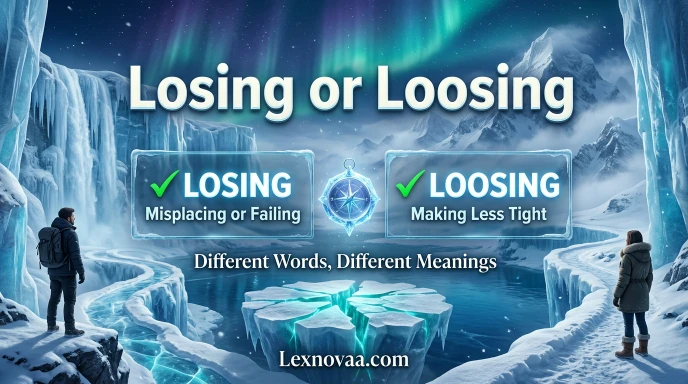
“Losing” and “loosing” are both real words, but they have different meanings. “Losing” is the correct word when you mean ...
Read more
It’s Your Welcome or You’re Welcome: The Difference Made Simple
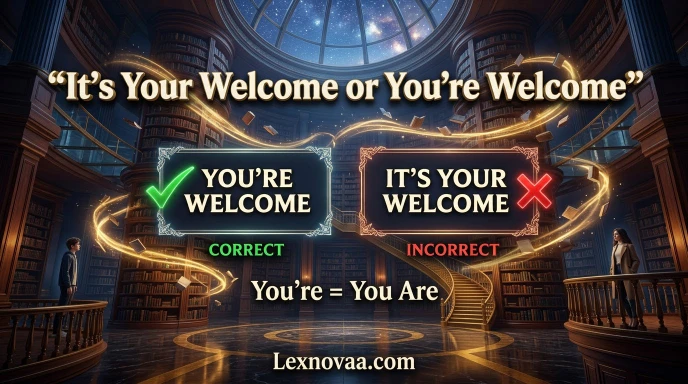
The correct phrase is “you’re welcome,” not “it’s your welcome,” when you reply to someone who says “thank you.” You’re ...
Read more
An Hour or A Hour? The Pronunciation Rule That Makes It Easy
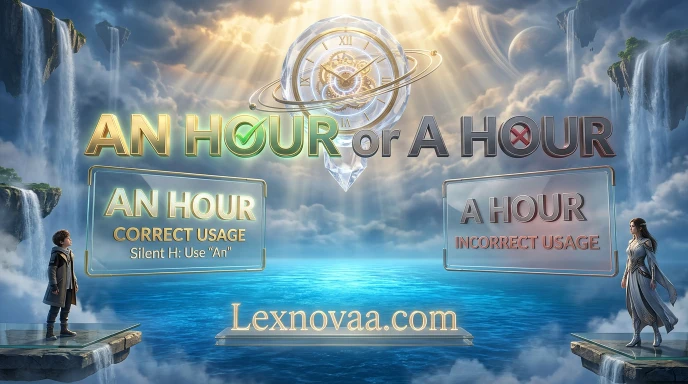
“An hour” is correct, while “a hour” is incorrect in standard English. The reason is simple: the word hour begins ...
Read more
Either or Neither: The Simple Grammar Rule That Helps You
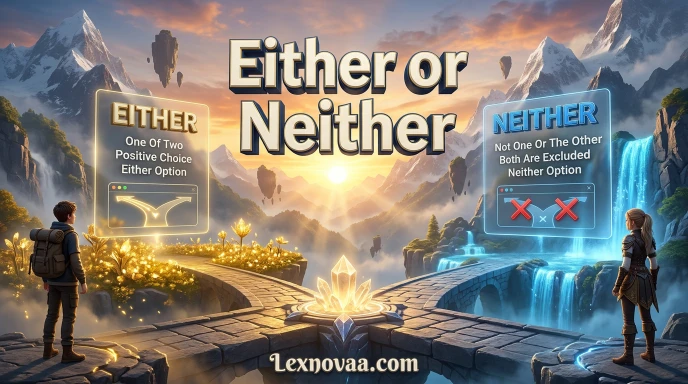
Either and neither are both correct English words, but they have opposite meanings. Either usually means one of two choices, ...
Read more
A Unique or An Unique: Which Is Grammatically Correct?
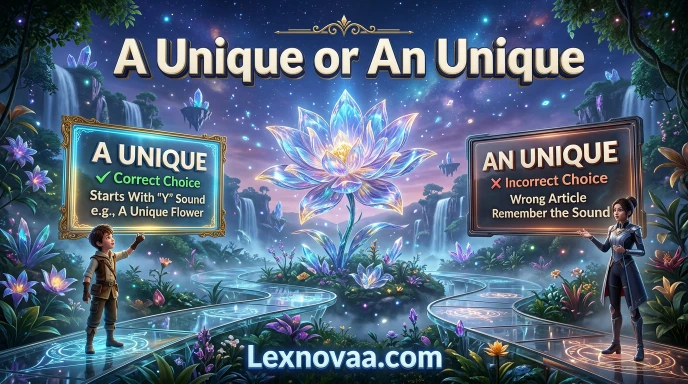
“A unique” is correct in standard modern English, while “an unique” is generally incorrect. The reason is simple: we choose ...
Read more
Apart or A Part: Which Is Correct? Meaning, Rules, and Examples

“Apart” and “a part” are both correct, but they have different meanings. Apart means separated or at a distance, while ...
Read more
Rhythm or Rythm:Meaning, Rules, and Examples
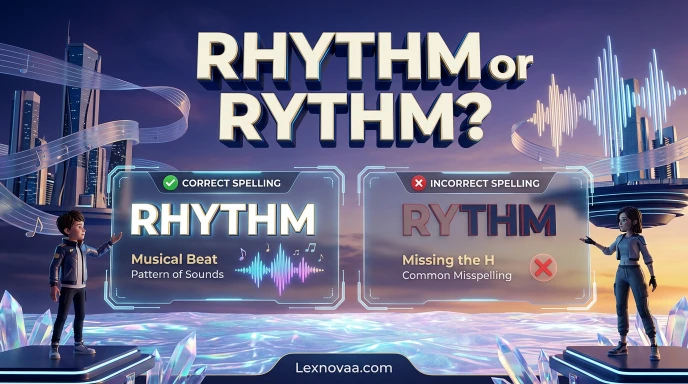
“Rhythm” is the correct spelling, while “rythm” is a misspelling. The word rhythm refers to a regular pattern of sounds, ...
Read more
Passed or Past: Is Correct? Meaning, Rules, and Examples
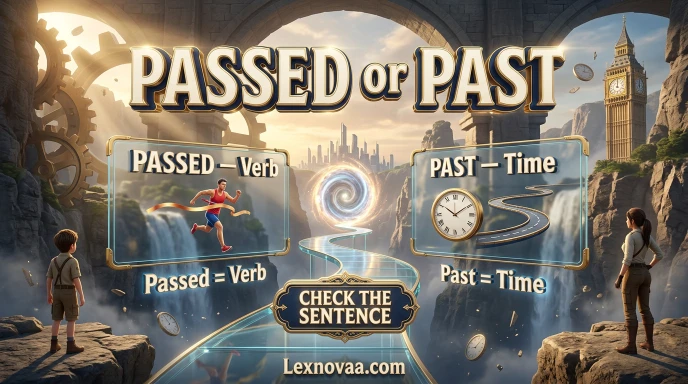
“Passed” and “past” are both correct English words, but they have different meanings and uses. Passed is usually the past ...
Read more
Further or Farther: Meaning, Rules, and Examples

Both “further” and “farther” are correct English words, but they are often used in different ways. Farther usually refers to ...
Read more
Discrete or Discreet: Which Spelling Is Correct? Meaning Rules.

Both “discrete” and “discreet” are correct English words, but they have different meanings. Discrete means separate, distinct, or independent. Discreet ...
Read more