Smoky or Smokey? Correct Spelling and When to Use Each
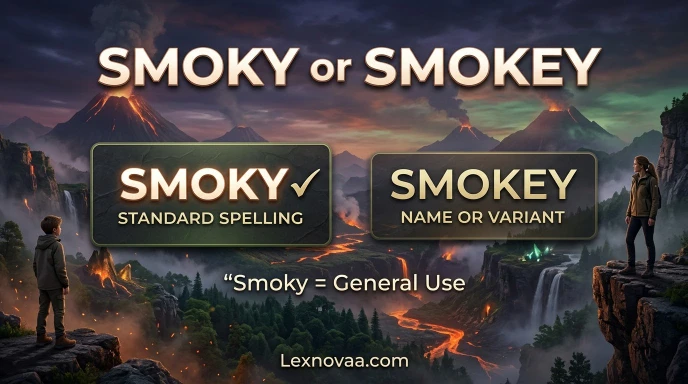
“Smoky” is the standard spelling of the adjective that means full of smoke or having the smell, taste, or appearance ...
Read more
Ordinance or Law Coverage: What It Means, Covers,Why It Matters
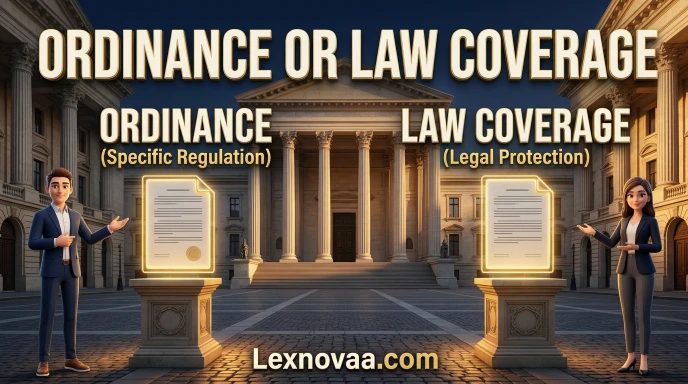
“Ordinance or law coverage” is the correct insurance term, not “ordinances or law coverage.” It refers to insurance coverage that ...
Read more
Fourth or Forth: What Is the Difference and When Should
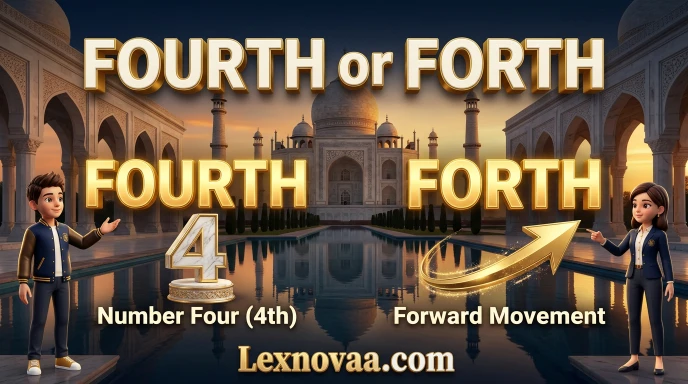
“Fourth” and “forth” are both correct English words, but they have different meanings. Fourth refers to the number four in ...
Read more
Sometime or Some Time: Meaning, Rules, and Examples

“Sometime” and “some time” are both correct, but they have different meanings. Sometime means at an unknown or unspecified time, ...
Read more
IPA vs Lager: What’s the Difference? Taste, Alcohol Content.

IPA and lager are two different styles of beer, with differences in flavor, brewing method, and bitterness. IPA stands for ...
Read more
Verbage or Verbiage : Meaning, Usage, and Examples

Verbiage is the correct standard English spelling, while verbage is a common misspelling. The word verbiage refers to the words ...
Read more
Worse Case or Worst Case: Meaning, Rules, and Examples
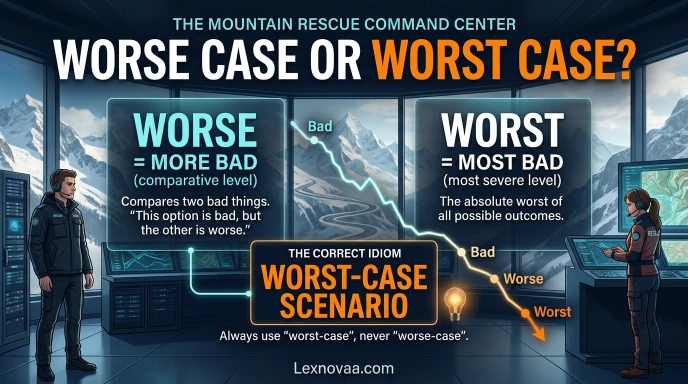
“Worst case” is the correct phrase when you mean the most difficult, serious, or unpleasant situation that could happen. The ...
Read more
By Hook or by Crook: Meaning, Origin, and Correct Usage
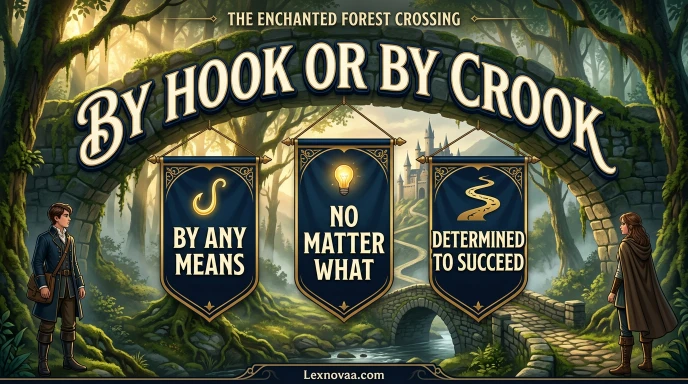
“By hook or by crook” is the correct phrase, meaning to achieve something by any possible means, even if those ...
Read more
Do To or Due To: Meaning, Rules, and Examples
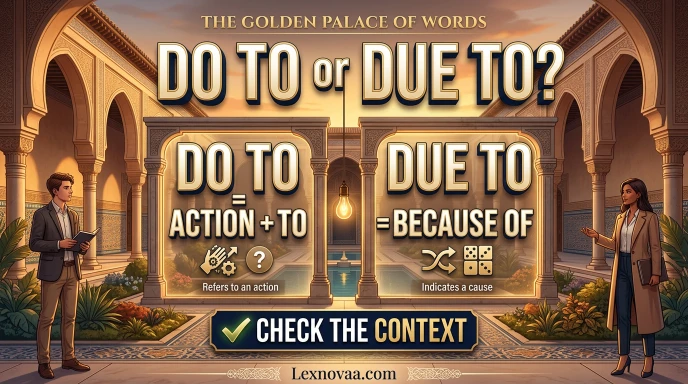
“Due to” is the correct phrase when you mean “because of,” while “do to” is not a standard phrase for ...
Read more
Where or Were: Meaning, Rules, and Examples

“Where” and “were” are both correct words, but they have different meanings and uses. Use where to ask about or ...
Read more